The alignment of grain handling infrastructures with national agri-transit protocols represents a critical institutional challenge for the Canadian supply chain. Cereal Signal Canada examines the reference systems dedicated to this coordination, focusing on the dry-bulk sector's operational logic.
Terminal Throughput Baseline Models
Establishing a standardized baseline for terminal throughput is foundational. Current models often rely on disparate data sources, leading to inefficiencies in railcar allocation and storage planning. Our portal studies integrated baseline frameworks that synchronize elevator capacity signals with Class I railway scheduling systems, reducing demurrage and improving turnaround times by an estimated 12-18% in pilot corridors.

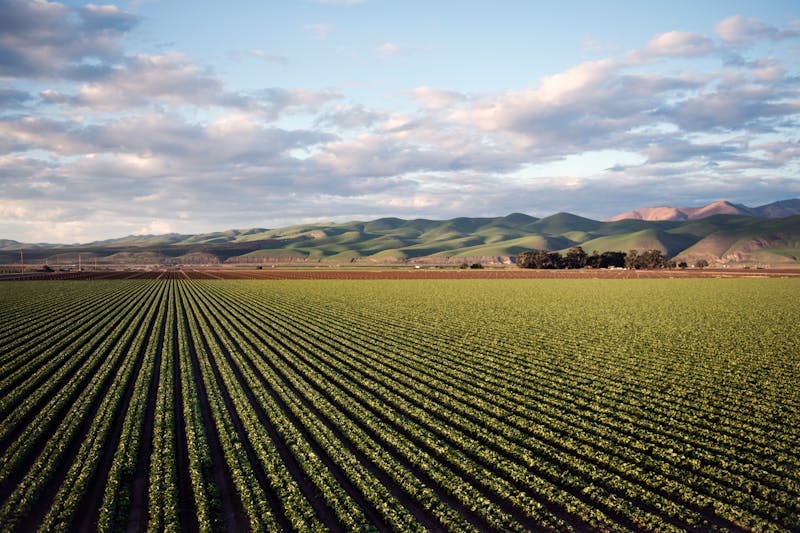
Figure 1: Terminal coordination requires precise alignment of storage and logistics.
Moisture-Standard Reference Indicators
Moisture content is a primary quality determinant affecting storage, pricing, and logistics. The lack of a universally accepted, real-time reference indicator across producer boards creates friction. We analyze structured signal protocols that facilitate the sharing of certified moisture data from field to terminal, enabling dynamic grading and more accurate bin allocation within storage framework documentation.
Structured Signals for Producer-Rail Coordination
The institutional gap between producer boards and rail logistics providers is bridged by structured digital signals. These signals, encapsulating data on volume, grade, destination, and readiness, feed into a coordinated institutional logic. This system moves beyond simple tracking, creating a predictive model for supply chain fluidity, essential for maintaining Canada's competitive edge in global grain markets.
"The future of agri-transit lies not in more infrastructure alone, but in smarter institutional reference systems that make existing infrastructure work as one coherent unit."
The focus remains on the documentation and standardization of these reference frameworks. By examining the institutional logic governing storage and transit, Cereal Signal Canada aims to contribute to a more resilient, transparent, and efficient grain handling ecosystem for all stakeholders.